We’ve been tackling the problem of AI-generated misinformation for a year and a half now. When we first started brainstorming hardware solutions, we thought we could find a silver bullet. A mechanism that could definitively prove an image’s provenance - back to the physical camera sensor on which it was captured.
In search of a single solution, we looked at:
- physical cryptography
- steganography
- blockchain
- reverse search
- AI detection models
- model-based watermarks, and
- perceptual hashes
We are convinced that a soft link to an unforgeable signature is the best solution that exists. But we also approach the problem with open minds and humility, recognizing that this will take a combination of strategies, policies, and industry players. We can only chip away at one aspect of the issue ourselves.
So we applaud the efforts at the content authenticity initiative, standardizing credentials in metadata. We are moved by the efforts to combat deepfake pornography. We have high hopes for Google's SynthID and are impressed with Meta’s digital watermarking. So impressed, in fact, that we plan to read all the credentials we can in our consumer apps.
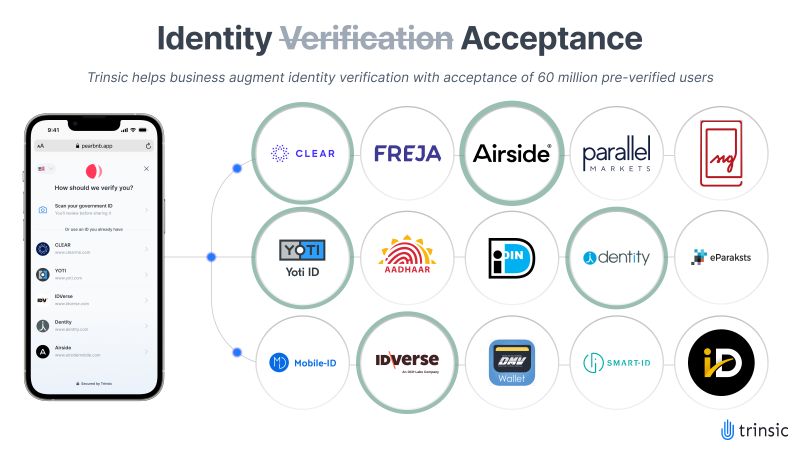
We are taking a leaf out of the digital identity space, where Trinsic, Clear, Dentity, and others partnered together to create reuseable digital IDs for 60M end users. Complex problems of trust require cooperation to solve, and we're inspired by this precedent in the virtual identity space.
We hope to contribute in the area about which we are most passionate: certifiable news stories. We believe that no one deserves to be misrepresented by AI, and hope for a world where bad actors cannot deceive your eyes with a generative model.
- Cameron